
Shopping Center
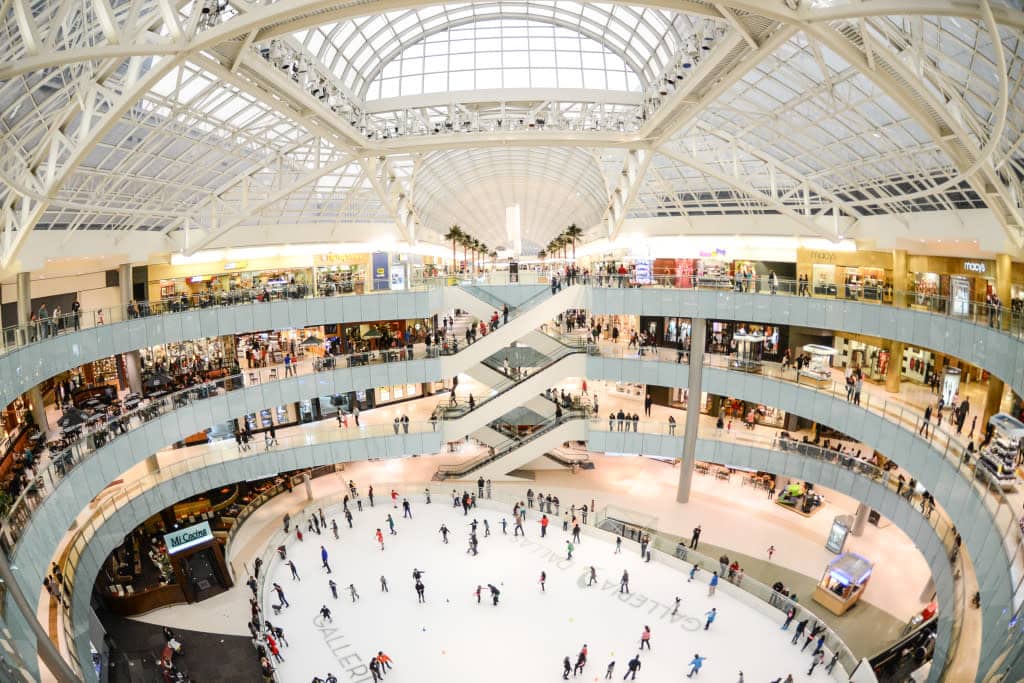
The traditional image of shopping malls in the United States, a symbol of the 20th-century mass consumer boom, is undergoing a profound transformation that is redefining its role in the economy and community life. This shift, driven by structural forces such as the rise of e-commerce, evolving consumer habits, and the declining appeal of department stores, is giving rise to new models that seek to ensure the viability of these spaces in a constantly evolving competitive and technological environment.
Historically, American shopping malls emerged in the 1950s and 1960s as enclosed spaces that brought together shops, restaurants, and entertainment under one roof, initially conceived as social and commercial hubs in the suburbs. Over time, these “cities under one roof” became cultural icons, places where people not only shopped but also socialized, held events, and defined urban trends. However, the rise of the internet and e-commerce since the mid-2010s, accelerated by the COVID-19 pandemic, led to a gradual decline of the traditional department stores that served as key anchors for these centers.
This process has significantly fragmented the shopping center landscape. On the one hand, those with prime locations and a strategic focus on luxury brands or differentiated experience offerings have thrived; on the other hand, many lower-tier shopping centers have faced high vacancy rates, reduced revenue, and intense financial pressures, leading to sales below their original construction value or even permanent closure.
The reinvention of these spaces is not limited to the addition of retail spaces. One of the most notable emerging trends is the incorporation of mixed-use developments that integrate housing, offices, healthcare services, and recreational options. Real estate developers are transforming underutilized commercial areas into vibrant and functional communities, addressing urban challenges such as the shortage of affordable housing. In some cases, former shopping malls house residential units, creating environments where it's possible to live, work, shop, and enjoy services without leaving the same complex. This approach not only maximizes the use of physical space but also establishes a consistent customer base for local businesses and services.
Besides housing, another key strategy is the transformation of vacant spaces into entertainment and leisure centers. Today, some shopping malls incorporate facilities such as outdoor activity areas, escape rooms, art galleries, microbreweries, and immersive experience spaces. These initiatives aim to attract consumers who value experiences more than simply acquiring material goods, especially younger generations who prioritize shared activities and are known for their preference for unique experiences.
The rethinking of the business model also responds to the need to integrate community functions beyond retail. Shopping malls are hosting essential services such as medical offices, coworking spaces, gyms, and cultural activities, solidifying their role as meeting points for the entire community. This diversification of uses reinforces the role of these spaces as centers of social and economic activity, mitigating the impact of the decline of traditional stores.
However, this process faces significant challenges. Reconfiguring older properties requires substantial investment and coordination with local governments to adapt urban planning regulations. Furthermore, in areas with lower purchasing power, the rise of online shopping and the economic austerity of many consumers continue to put pressure on shopping center operators, increasing the need for creative and sustainable long-term strategies.
Despite these challenges, there are indications that this reinvention phenomenon is not only possible but also necessary to ensure the relevance of shopping centers in the coming decades. The convergence of residential, entertainment, and community uses points to a new paradigm where these spaces become true urban centers on a local scale. By breaking with the traditional model focused exclusively on consumption, these places are evolving to meet the demands of a society that values convenience integrated with meaningful and multifunctional experiences.
The reinvention of shopping malls in the United States reflects broader structural changes in the economy and in the way people interact.
LASTED INSIGHTS AND RESOURCES

Investments in energy and critical minerals
The two countries signed a memorandum of understanding (MoU) on Monday to attract US capital to strategic projects in the Andean nation.

Comparative Carbon Footprint Analysis
Taiwan faces challenges in expanding solar energy due to limited land availability.

Advantages and challenges of wind energy
Wind energy offers numerous advantages, which explains why it is one of the fastest growing energy sources in the world.

Pipeline expansions planned for 2026 and 2027 in EE. UU.
Developers plan to bring approximately 44.9 billion cubic feet per day (Bcf/d) of new pipeline capacity online in the United States in 2026 and 2027.
Ready to take the next step?
Change starts with a conversation
Complete the form, and a Escala expert will be in touch to discuss how we can help your business achieve its goals.