
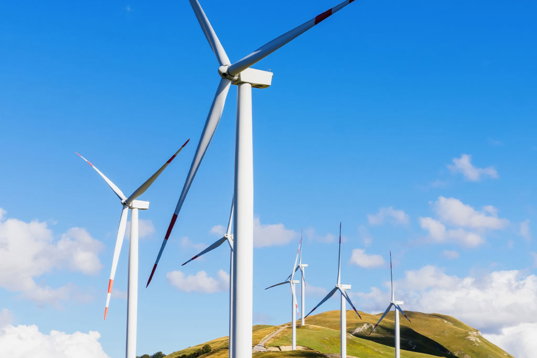
Wind energy offers numerous advantages, which explains why it is one of the fastest-growing energy sources in the world. To further expand the capabilities of wind energy and its benefits to the community, researchers are working to address the technical and socioeconomic challenges that contribute to a robust energy future.
Advantages of Wind Energy
Wind energy creates well-paying jobs. Nearly 150,000 people work in the U.S. wind industry across all 50 states, and this number continues to grow. According to the U.S. Bureau of Labor Statistics, wind turbine maintenance technicians have been the fastest-growing occupation in the U.S. over the past decade. With career opportunities ranging from blade manufacturing to asset management, the wind industry has the potential to generate hundreds of thousands of additional jobs by 2050. Wind energy is a national resource that fuels U.S. economic growth. In 2022, wind turbines operating in all 50 states generated more than 10% of the nation’s total net energy. That same year, financing for new wind projects contributed $20 billion to the U.S. economy.
Wind is a renewable energy source. Wind turbines harness the energy of the wind using mechanical force to spin a generator and produce electricity. Wind is not only an abundant and inexhaustible resource, but it also provides electricity without burning fuel or polluting the air.
Wind energy benefits local communities. Wind projects are estimated to generate $2 billion annually in state and local taxes and land lease payments. Communities that develop wind energy projects can use this additional revenue to fund school budgets, reduce the tax burden on homeowners, and address local infrastructure projects.
Wind energy is cost-effective. Large-scale onshore wind turbines are among the most economical energy sources available today. Moreover, the cost competitiveness of wind energy continues to improve thanks to scientific and technological advancements in the field.
Wind turbines operate in diverse environments. Wind power generation is well-suited to agricultural and mixed-use landscapes. Wind energy is easily integrated into rural or remote areas, such as farms, ranches, or coastal and island communities, where high-quality wind resources are often found.
Challenges of Wind Energy
Wind energy must compete with other low-cost energy sources. When comparing the cost of energy associated with new power plants, wind and solar projects are now more economically competitive than gas, geothermal, coal, or nuclear facilities. However, wind projects may not be cost-competitive in some low-wind locations. State-of-the-art technology, manufacturing improvements, and a better understanding of wind turbine physics can help reduce costs even further.
Ideal sites for wind energy are often in remote locations. Overcoming installation challenges is necessary to deliver electricity from wind farms to urban areas, where it is needed to meet demand. Modernizing the national transmission grid to connect areas with abundant wind resources to population centers could significantly reduce the costs of expanding onshore wind energy. Furthermore, transmission and grid interconnection capabilities for offshore wind energy are improving.
Turbines produce noise and disrupt the visual landscape. Wind farms have a different environmental impact than conventional power plants, but similar concerns exist regarding both the noise produced by turbine blades and their visual impact on the landscape.
Wind farms can affect local wildlife. While wind projects generally have less impact on wildlife than other energy projects, further research is needed to minimize interactions between wind and wildlife. Technological advancements, the appropriate siting of wind farms, and ongoing environmental research are contributing to reducing the impact of wind turbines on wildlife.