
Renewable Energy
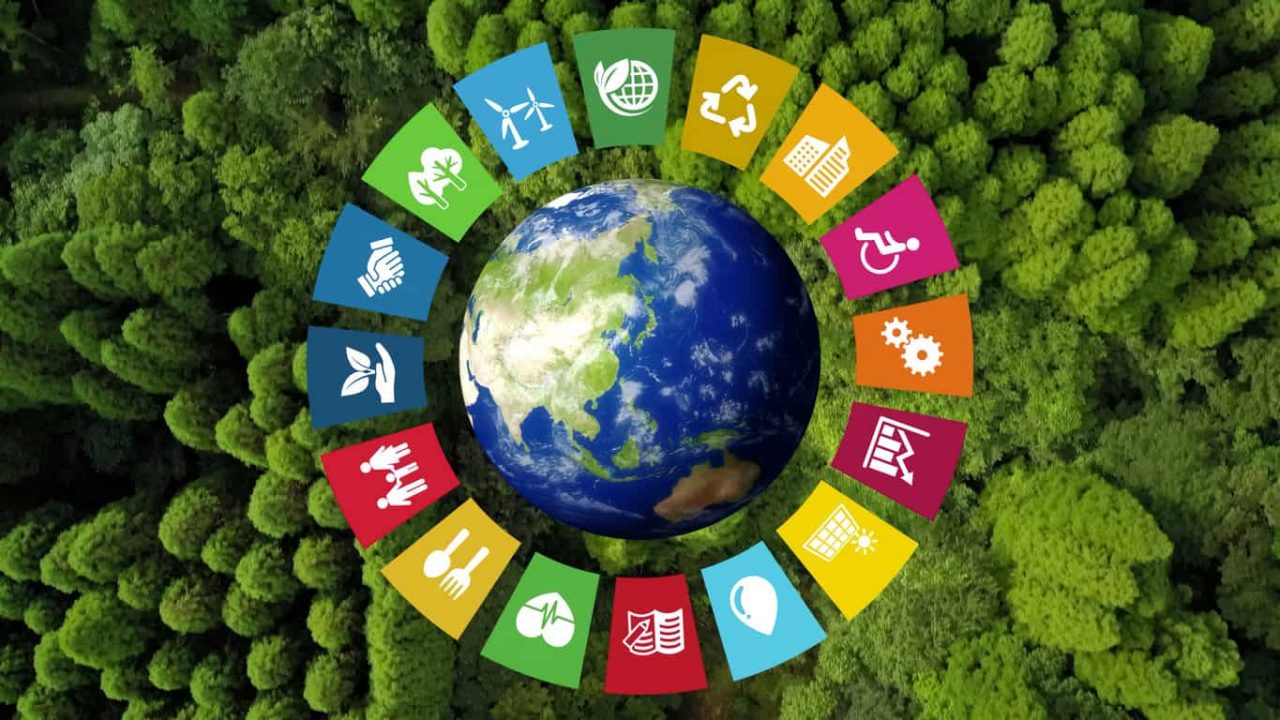
Renewables are an increasingly important source of energy as countries seek to reduce their CO2 emissions and dependence on imported fossil fuels. Renewables are mainly used to generate electricity, although renewable technologies can also be used for heating in homes and buildings. Renewable biofuels are also an emerging technology solution to decarbonize parts of the transportation sector.
Note that modern renewables exclude traditional uses of biomass, such as burning collected wood, agricultural byproducts or dung for cooking or heating. This has serious negative consequences on health and the environment, including contributing to millions of deaths annually from air pollution, and is targeted for phase-out in international development and climate goals and in the IEA's Net Zero scenario.
Share of modern renewables in final energy consumption (SDG 7.2) in United States
Total 2022
Trent
Our renewable energy division boasts over thirty years of experience, reflecting its extensive expertise and in-depth knowledge in the development, management, and maintenance of projects in this sector. During this time, we have constructed innovative infrastructure, meticulously overseen every stage of operational processes, and ensured rigorous maintenance across all areas of our operations. This solid experience positions us as market leaders, committed to excellence and sustainable development.
Energy sectors where we have a stake
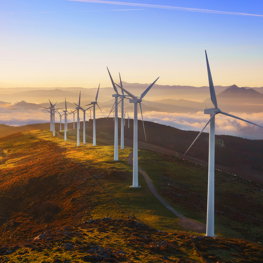
Wind Energy
Solutions
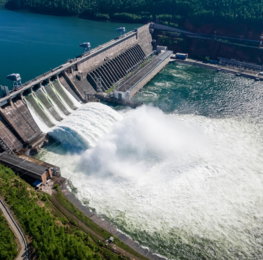
Hydroelectric Power Solutions
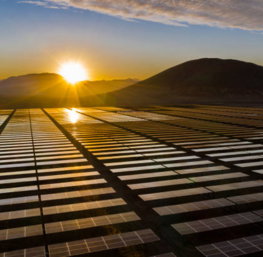
Solar Energy
Solutions
Geothermal
Energy Solutions
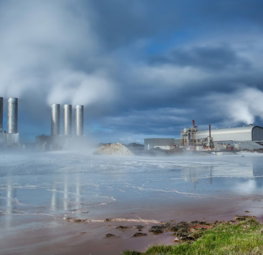
LASTED INSIGHTS AND RESOURCES

Investments in energy and critical minerals
The two countries signed a memorandum of understanding (MoU) on Monday to attract US capital to strategic projects in the Andean nation.

Comparative Carbon Footprint Analysis
Taiwan faces challenges in expanding solar energy due to limited land availability.
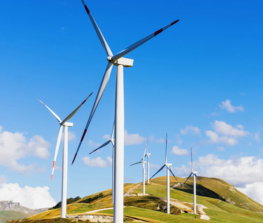
Advantages and challenges of wind energy
Wind energy offers numerous advantages, which explains why it is one of the fastest growing energy sources in the world.
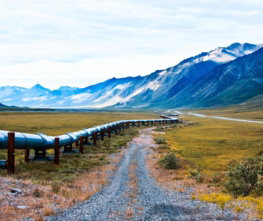
Pipeline expansions planned for 2026 and 2027 in EE. UU.
Developers plan to bring approximately 44.9 billion cubic feet per day (Bcf/d) of new pipeline capacity online in the United States in 2026 and 2027.
Ready to take the next step?
Change starts with a conversation
Complete the form, and a Escala expert will be in touch to discuss how we can help your business achieve its goals.